How to Track Your Fertile Window Without an App
Most women have no idea that their bodies are already sending signals every single month. Not vague signals but real, physical, consistent ones. You just need to be aware of them and understand your body. Try understanding the signals to track your fertile window and you won't feel the need for an app.
What Is a Fertile Window?
Your fertile window is the period when the chances of getting pregnant are highest. It is usually a 6-day window, covering 5 days before and 1 day after you release the egg.
Here is why those five days before matter. Sperm can live inside the body for up to five days. Fertilization can occur only if the egg is present in the body and sperm hit it at the right time. The egg only survives for about 12 to 24 hours after release. Once you miss that window, pregnancy is not possible until next month.
Why Phone Apps Often Miss the Mark
It is worth understanding why apps are not as reliable as most people think.
Apps work by looking at the dates you enter and performing calculations. They assume that ovulation happens exactly 14 days before your next period.
The time between ovulation and your next period is called the luteal phase. It can range from 10 to 16 days, depending on the person. If your luteal phase is 11 days but the app assumes 14, your predicted fertile window is already three days off.
Your body does not work from an average. It works from what is actually happening inside it right now. That is what you want to track.
The Three Things to Track
There is a method called the Symptothermal Method. It combines three separate signs from your body, and when you use all three together, you get a much clearer picture than any app can give you. Used correctly, research shows it is highly reliable.
Here is what you track.
1. Your Cycle Length
Start simple. On the first day of each period, write down the date. That is Day 1. Count forward until the day before your next period starts. That number is your cycle length.
Do this for at least three months, ideally six. You will start to see your personal average. Once you know that number, subtract 14 from it to get a rough idea of when ovulation is likely. If your cycle is 30 days, ovulation is probably around Day 16. Your fertile window would start around Day 11.
This gives you a starting estimate, not a final answer. Use it alongside the other two signs below.
2. Your Cervical Mucus
This is the part that surprises many women, but it is one of the most powerful signs your body gives you.
Throughout your cycle, your body produces a fluid. It changes in look and feel depending on where you are in your cycle. Learning those changes is like reading a calendar written by your own hormones.
Right after your period, things are usually dry. Not much there. Then, as you move through the cycle, fluid begins to appear. At first, it might look white or slightly cloudy and feel a bit sticky or thick.
As ovulation gets closer, something shifts. The fluid becomes more watery. Then clearer. Then, in the days just before ovulation, it turns slippery, stretchy, and transparent. Many women describe it as looking like raw egg white. You can stretch it between two fingers without it breaking.
That stretchy, slippery fluid is your most fertile sign. When you see it, your fertile window is open or about to open.
After ovulation, the fluid goes back to being thick or disappears again.
Check each day before you use the bathroom by wiping with clean toilet paper or with a clean finger. Write down what you notice. One word is enough: dry, cloudy, watery, slippery.
If checking twice a day feels more manageable, a simple version called the Two-Day Method works well, too. Just ask yourself two questions each day: Did I notice any fluid today? Did I notice any yesterday? If the answer to both is yes, you are likely fertile.
3. Your Waking Temperature
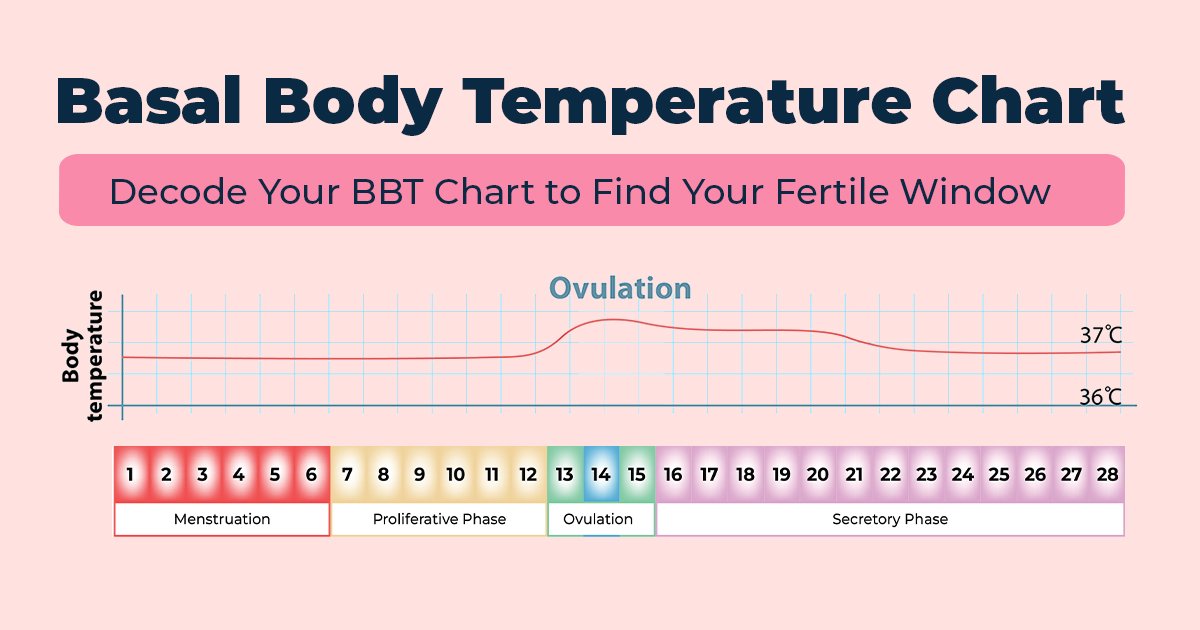
Your body temperature rises after you ovulate because of a hormone called Progesterone. This is what your body starts producing after the egg is released.
The rise is small, around 0.2 degrees Celsius. But the temperature stays until your next period. This is called your basal body temperature, or BBT.
To track it, you need a basal thermometer. These cost very little and are sold at most pharmacies. They read to two decimal places, which is important because the shift is subtle.
The rule is simple: take your temperature every morning before you do anything else. Try to measure it at the same time every day if possible. Write the number down right away.
Over weeks, a pattern will appear. In the first half of your cycle, temperatures stay low. After ovulation, they jump up and stay up. When you see that jump, ovulation has happened.
Note anything unusual on days when your reading seems off: poor sleep, a late night, a cold, or stress can all nudge the number higher without ovulation being involved.
Reading All Three Signs Together
Once you have been tracking for a couple of months, things start to connect.
Your mucus tells you the fertile window is opening. Your calendar tells you roughly when to expect it. Your temperature tells you, after the fact, that ovulation actually happened.
Together, they give you a full picture: before, during, and after ovulation. No app can do this because no app can feel what your body is doing. You can.
A sample day of tracking takes about two minutes. Temperature in the morning, mucus check before the bathroom, and one line in your notebook. That is it.
When Tracking Feels Harder
Some months will be messier than others. That is normal.
Stress can delay ovulation. So can being sick, traveling, or not sleeping well. If your cycle shifts during a hard month, that is likely why.
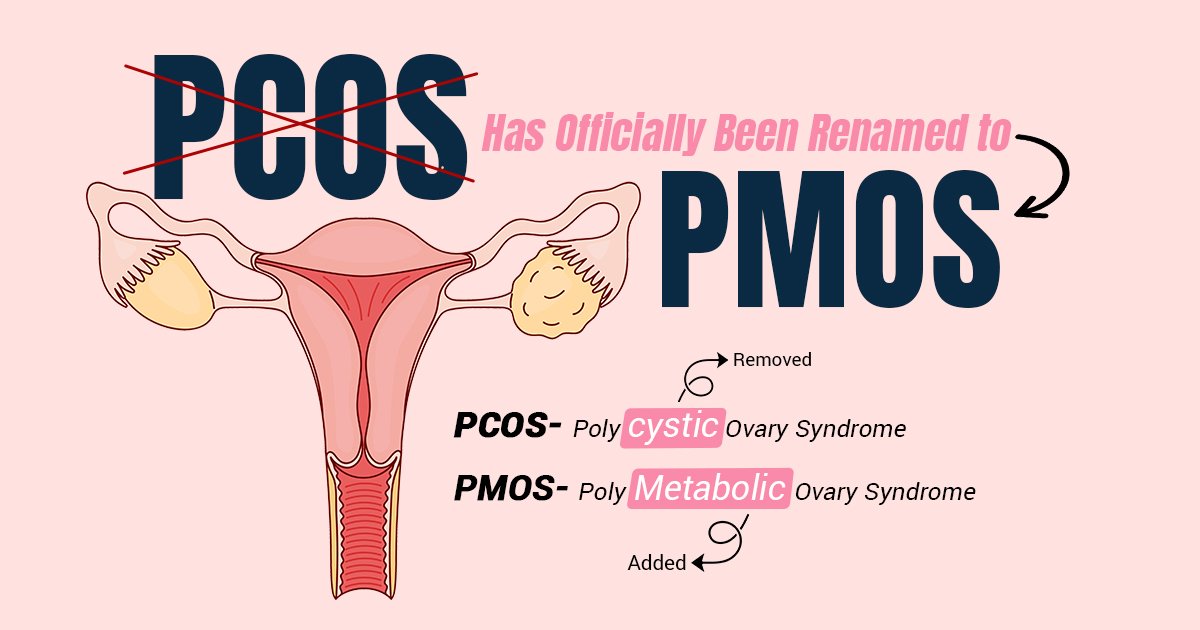
Women with PCOS or very irregular cycles may find tracking more challenging. Irregular does not mean impossible. It just means the calendar method matters less, and mucus tracking matters more. If your cycles are often shorter than 21 days or longer than 35, a conversation with your doctor is a good idea.
To Wrap Up
Your body has been doing this every month since puberty. The signals are there. They have always been there. Learning to read them just takes a bit of practice and patience.
Start with your cycle dates to track your fertile window. Add mucus tracking in week two. Bring in the thermometer when you are ready. Within two to three months, most women can identify their fertile window with more accuracy than any app ever gave them.
Quick Questions Women Often Ask
-
How soon will I see results from tracking?
- Women start seeing clear patterns after two to three months. The first month is mostly about learning what to look for.
-
What if I only see stretchy mucus for one day?
- The peak does not always last long, and thus tracking daily means you are less likely to miss it.
-
Is this accurate enough to use as birth control?
- When all three methods are used together consistently and correctly, research shows very high accuracy. But it takes time to learn and a daily commitment. Speaking with a healthcare provider before using it as your main method of contraception is strongly recommended.
-
What if my temperature looks different one day?
- One odd reading does not mean much. Look at the overall pattern across several days, not individual numbers.