Confusion about the follicular phase vs. luteal phase is something every woman deserves to understand, yet most of us were never taught it. Maybe you've seen the terms in a fertility app, heard them from your doctor, or stumbled across them during a late-night search.
Either way, if they still feel confused, that's completely okay. Your menstrual cycle is doing a remarkable amount of work every single month, quietly preparing your body for the possibility of pregnancy.
Understanding what's actually happening inside you, in plain, honest language, can make a real difference in your fertility, your moods, your energy, and your overall sense of yourself. This is your cycle. You deserve to understand it.
First, Let's Understand the Big Picture
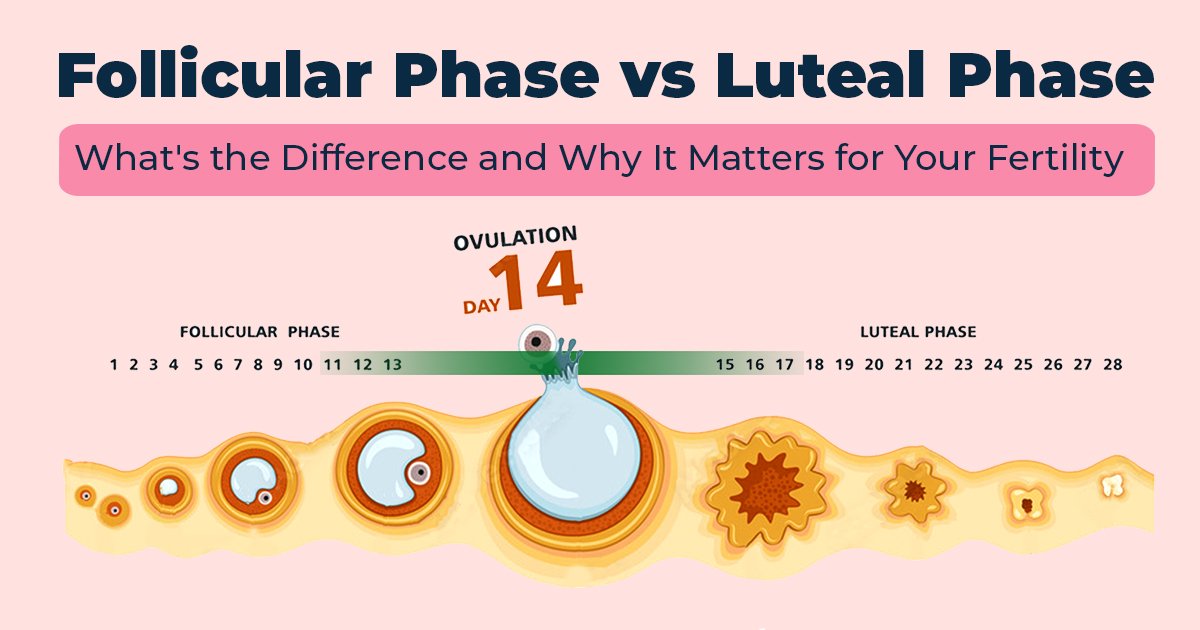
Your menstrual cycle is essentially divided into two halves. The first half is the follicular phase, which runs from the first day of your period until ovulation. The second half is the luteal phase, which runs from ovulation until your next period begins. Together, they form one complete cycle, typically lasting 25 to 35 days.
According to the National Institutes of Child Health and Human Development (NICHD), an estimated 14% to 25% of women of childbearing age experience menstrual irregularities, meaning many women are navigating this without a clear picture of what's normal. You're far from alone.
What Is the Follicular Phase?
The follicular phase begins on Day 1 of your period and continues until ovulation. Even though you're bleeding at the start, this phase is your body actively gearing up for ovulation.
Here's what's happening step by step:
-
Your brain's hypothalamus sends a signal to the pituitary gland, which releases FSH (follicle-stimulating hormone). FSH tells your ovaries to start developing a group of small fluid-filled sacs called follicles, each containing an immature egg. Over time, one follicle becomes dominant and grows larger than the rest.
-
As that dominant follicle matures, it produces rising levels of estrogen. This estrogen does several helpful things: it rebuilds the uterine lining (which sheds during your period), improves cervical mucus to help sperm travel more easily, and often gives you a natural lift in energy, mood, and libido.
-
Many women notice they feel sharper, more motivated, and more social during this phase. Estrogen has real, measurable effects on brain chemistry, and those good days are not accidental.
How long does the follicular phase last? This phase typically lasts 14 to 21 days, but it can vary more than the luteal phase. Stress, sleep, nutrition, and underlying conditions like PCOS can all influence how long it takes for a dominant follicle to mature.
What Is the Luteal Phase?
Once ovulation occurs (the moment your dominant follicle releases a mature egg), the luteal phase begins. It starts around Day 15 of a 28-day cycle and lasts until your next period.
Something interesting happens to the follicle after it releases the egg: it transforms into a structure called the corpus luteum. The corpus luteum's main job is to produce progesterone, along with some estrogen. Progesterone thickens the uterine lining, creating a warm, cushioned environment in which a fertilized egg can implant and grow.
If pregnancy occurs, the corpus luteum continues to produce progesterone to support the early pregnancy. If pregnancy does not occur, the corpus luteum naturally breaks down around Day 28. Progesterone drops. Estrogen drops. The uterine lining sheds. Your period begins, and the whole cycle starts again.
This progesterone rise is also what causes many of the PMS symptoms women experience in the second half of their cycle: bloating, mood shifts, breast tenderness, and fatigue. These symptoms are real; they are not "in your head," and they make complete sense given the hormonal changes your body is going through.
How long does the luteal phase last? According to NCBI StatPearls, the luteal phase is relatively consistent across most women, typically lasting 14 days, while the follicular phase can vary considerably.
Follicular Phase vs Luteal Phase: Side-by-Side
|
Feature |
Follicular Phase |
Luteal Phase |
|
When it happens |
Day 1 (period) to ovulation |
Ovulation to the next period |
|
Key hormone |
Estrogen, FSH |
Progesterone, some estrogen |
|
How you may feel |
More energy, uplifted mood, sharper focus |
Bloating, fatigue, mood shifts, PMS |
|
Typical duration |
14–21 days (varies) |
~14 days (consistent) |
|
Main purpose |
Mature an egg for release |
Prepare the uterus for a possible pregnancy |
|
Fertility relevance |
Your most fertile window ends here at ovulation |
Conception is possible; implantation occurs here |
|
Cervical mucus |
Watery, stretchy, sperm-friendly |
Thicker, less permeable |
|
Body temperature |
Lower (97–97.6°F) |
Rises slightly after ovulation |
Why Do These Phases Matter for Fertility?
Understanding these phases is especially useful if you're trying to conceive.
Your most fertile window is actually in the follicular phase, in the five days leading up to ovulation. Sperm can survive inside the body for up to five days, so having sex before ovulation gives sperm time to be in position when the egg is released. Once ovulation happens, you have a narrow 12 to 24 hours for fertilization to occur.
The luteal phase matters for a different reason. If implantation happens, progesterone from the corpus luteum supports the early pregnancy. A luteal phase defect, when the luteal phase is shorter than 10 days, can make it harder for a fertilized egg to implant and stay. This is one reason some women experience early pregnancy loss without even realizing it.
Tracking your cycle carefully over time helps you identify your patterns, your fertile window, and any irregularities that warrant discussion with a doctor. The ConceiveLife 90-Day Fertility Tracker is designed to help you do exactly this. It maps your phases, symptoms, and patterns over three full cycles so you can walk into any fertility conversation with real data.
When Should You Be Concerned?
Most cycle variations are completely normal. But a few patterns are worth paying attention to:
-
Short luteal phase (under 10 days): This can interfere with implantation and is known as luteal phase deficiency. It is treatable, often with progesterone support.
-
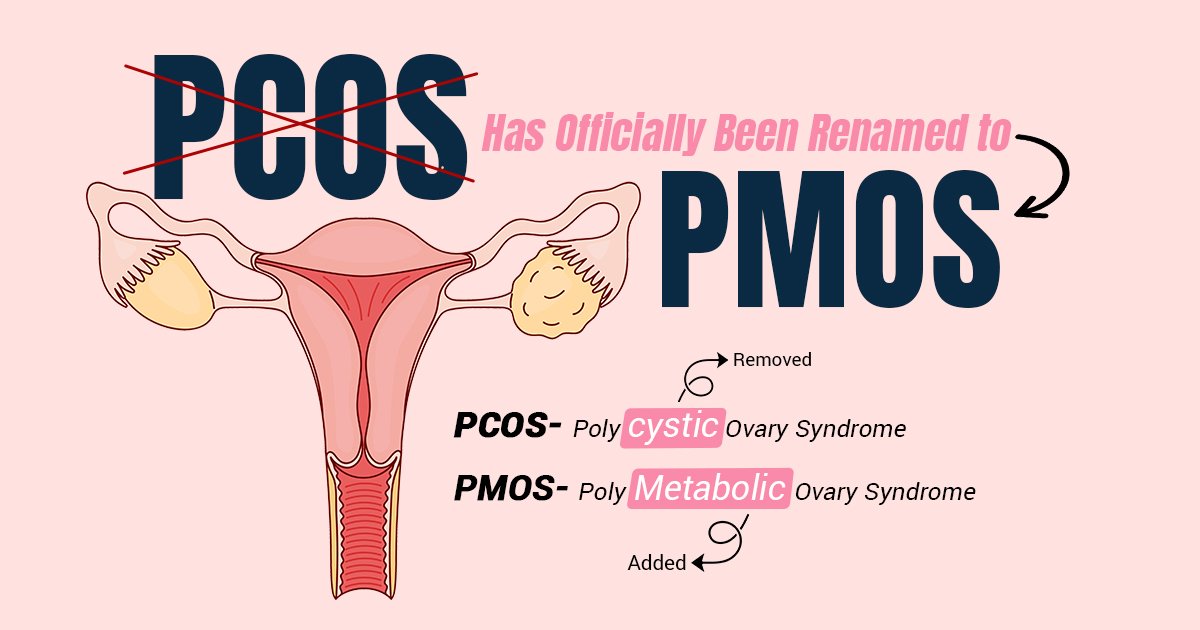
Very long or irregular follicular phase: This can indicate conditions such as PCOS, thyroid dysfunction, or stress-related hormonal disruption, all of which affect how quickly your ovaries develop and release a mature egg.
-
Anovulatory cycles: Sometimes ovulation doesn't happen at all. The cycle continues, but no egg is released. This is more common than most people realize and can be identified through cycle tracking.
If any of these resonate with you, the most helpful first step is gathering information. A conversation with your OB-GYN or a reproductive endocrinologist, paired with solid cycle data, gives you a real foundation to work from.
How to Start Paying Attention to Your Cycle
You don't need anything fancy to start. Here are three simple things you can do right now:
-
Track your cycle length. Mark Day 1 (first day of bleeding) every month. After three to four cycles, you'll start to see your personal pattern.
-
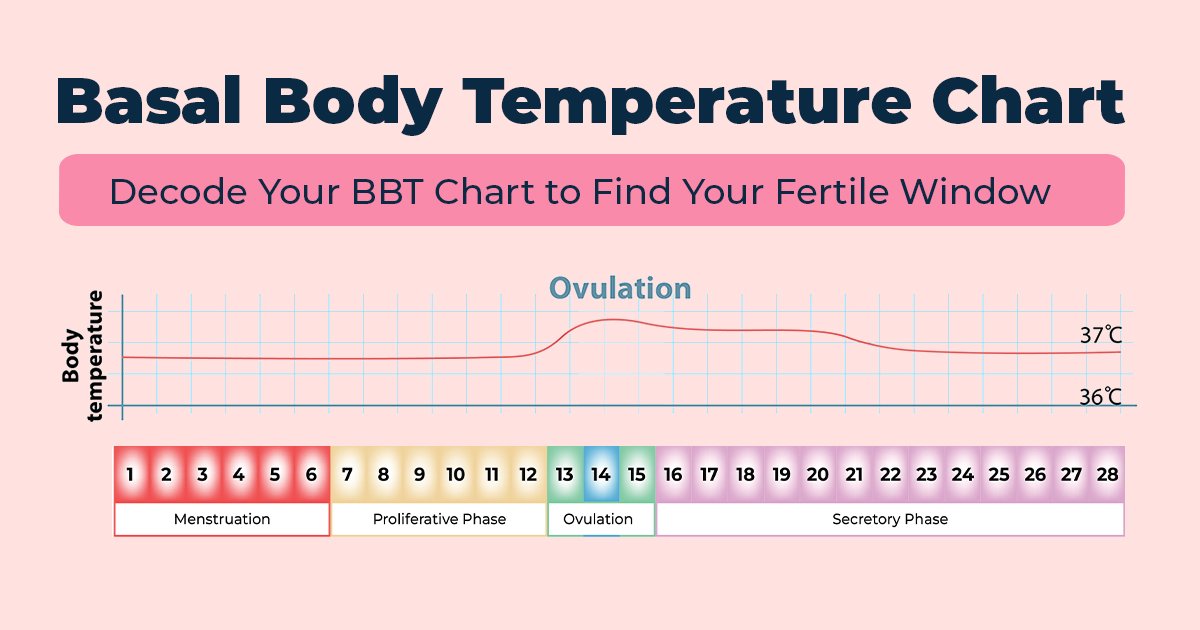
Check your basal body temperature (BBT). Take your temperature every morning before getting out of bed. A slight rise (around 0.2°F) typically signals that ovulation has occurred and the luteal phase has begun.
-
Notice your cervical mucus. Watery, stretchy mucus (often compared to raw egg whites) is a sign of approaching ovulation and peak fertility. After ovulation, it thickens.
If you're not sure where to start, the ConceiveLife Fertility Assessment is a good first step. It helps you understand where you are in your fertility journey and what to focus on next in a clear, straightforward way.
Frequently Asked Questions
What is the difference between the follicular phase and the luteal phase?
The follicular phase is the first half of your menstrual cycle, running from Day 1 of your period to ovulation. It is driven mainly by estrogen and FSH. The luteal phase is the second half, from ovulation to your next period, driven mainly by progesterone. Each phase prepares your body differently for a potential pregnancy.
How long is the follicular phase?
The follicular phase typically lasts 14 to 21 days, though it can be shorter or longer depending on your body, age, stress levels, and health conditions like PCOS. Unlike the luteal phase, it varies more from person to person and even cycle to cycle.
Can a short luteal phase affect fertility?
Yes. A luteal phase shorter than 10 days, called a luteal phase defect, can make it difficult for a fertilized egg to implant in the uterine lining before progesterone drops and menstruation begins. This is a recognized, treatable cause of early pregnancy loss and difficulty conceiving.
What does it mean if my follicular phase is long?
A longer follicular phase usually means your cycle is longer overall. It can be completely normal, or it can indicate that your ovaries are taking longer to develop a dominant follicle. In some cases, it's linked to conditions like PCOS, thyroid issues, or high stress. Tracking your cycle and discussing patterns with your doctor is the best first step.
What hormones are active during each phase?
During the follicular phase, FSH and estrogen are the primary hormones, stimulating follicle growth and rebuilding the uterine lining. During the luteal phase, the corpus luteum produces progesterone (and some estrogen), which thickens the uterine lining and supports potential implantation. If pregnancy does not occur, both hormones drop, triggering menstruation.