Turning 35 hits differently when you’re also trying to get pregnant. All of a sudden you’re hearing terms like “advanced maternal age” tossed around at your doctor’s appointment, and it can feel like an insult, honestly. Like someone flipped a switch overnight and now your body is somehow “old.”
Here’s the thing though - that’s not really how it works. Yes, some things do shift after 35. But it’s not a cliff. It’s more like a slope, and understanding what’s actually happening on that slope can help you make smarter decisions instead of just feeling anxious about a number.
So What Actually Changes?
You Have Fewer Eggs, and That Decline Speeds Up
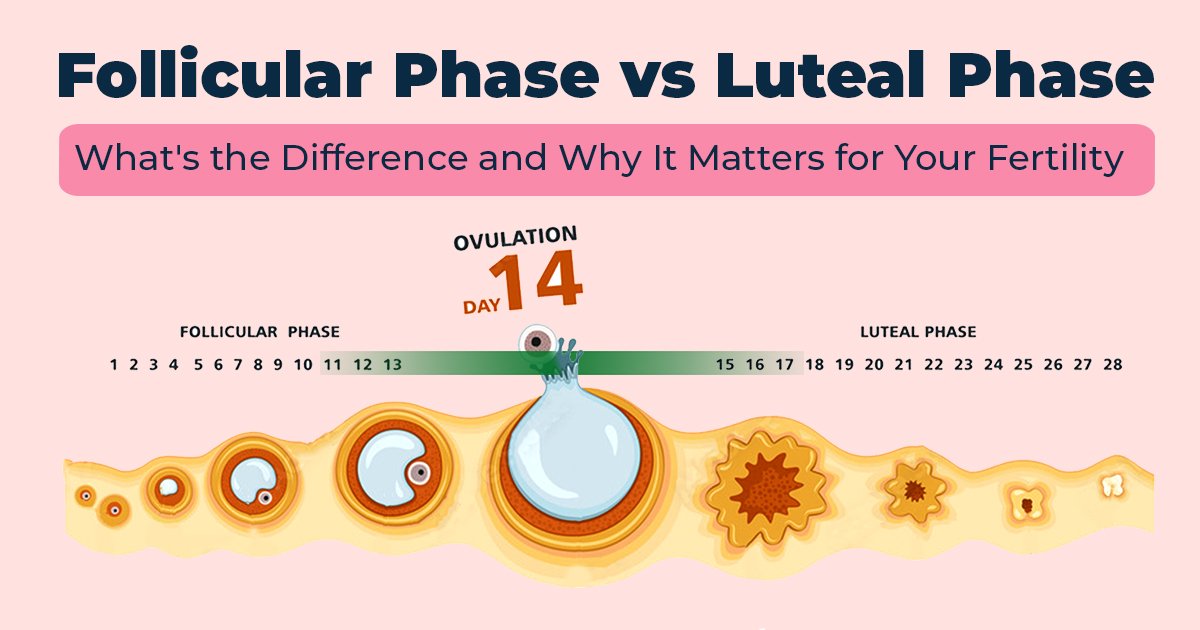
Every woman is born with all the eggs she’ll ever have. That number drops your whole life, but after 35 it starts dropping faster. This isn’t about how healthy you are or what you ate for breakfast - it’s just biology doing its thing.
This is why doctors start talking about “ovarian reserve” more seriously around this age. It’s basically an estimate of how many eggs you have left, and while it doesn’t tell the whole story, it’s a useful piece of the puzzle.
Egg Quality Takes a Hit Too
As eggs sit around longer, they become more likely to have chromosomal issues. This is part of the reason miscarriage rates go up after 35, and it’s also why the risk of things like Down syndrome increases with age.
Not exactly fun to read about, we know. But this is the kind of information that’s way more useful before you start trying than after a disappointing test result.
It Might Just Take Longer
Even if your cycles are regular and everything looks “normal,” the odds of getting pregnant in any single cycle drop with age. In your late 20s, you might have something like a 20-25% chance per cycle. By your late 30s, that number is meaningfully lower.
That doesn’t mean it won’t happen for you. It just means patience matters more here - and so does not waiting too long before getting checked out if things aren’t progressing.
The Good News: You Can Still Support Egg Quality
Okay so here’s where things get more hopeful. You can’t add more eggs to the bank, but there’s actually decent evidence that you can help support the quality of the eggs you’ve got. A few things worth knowing about:
CoQ10 - This one comes up a lot in fertility circles. It helps support the mitochondria (basically the energy factories) inside your eggs, and a lot of fertility doctors recommend it for women over 35.
Vitamin D - Tied to hormone regulation, and low levels are surprisingly common even if you get outside a lot. A simple blood test will tell you where you stand.
Omega-3s - Found in fish, walnuts, flaxseed - these support healthy blood flow and help calm inflammation throughout your body, including your reproductive system.
Cutting back on alcohol - Even moderate drinking has been linked to lower fertility in some studies. It’s a simple change but it can add up.
Eating less processed, more anti-inflammatory - Think more vegetables, healthy fats, whole foods. Not a strict diet, just giving your body better raw materials to work with.
None of these are miracle fixes and they won’t undo your age. But together, they create a better environment for the eggs you do have right now - and that’s worth something.
When Should You Get Tested?
If you’re under 35, the typical advice is to try for 12 months before getting checked out. After 35? That window shrinks to 6 months.
It’s not that something’s automatically wrong if it hasn’t happened in 6 months. It’s just that time becomes more valuable at this stage, so getting answers sooner gives you more room to act on them.
Here’s what to ask your doctor about:
- AMH (Anti-Müllerian Hormone) - a blood test that gives an estimate of your remaining egg supply
- FSH (Follicle-Stimulating Hormone) - checked early in your cycle, gives more insight into how your ovaries are functioning.
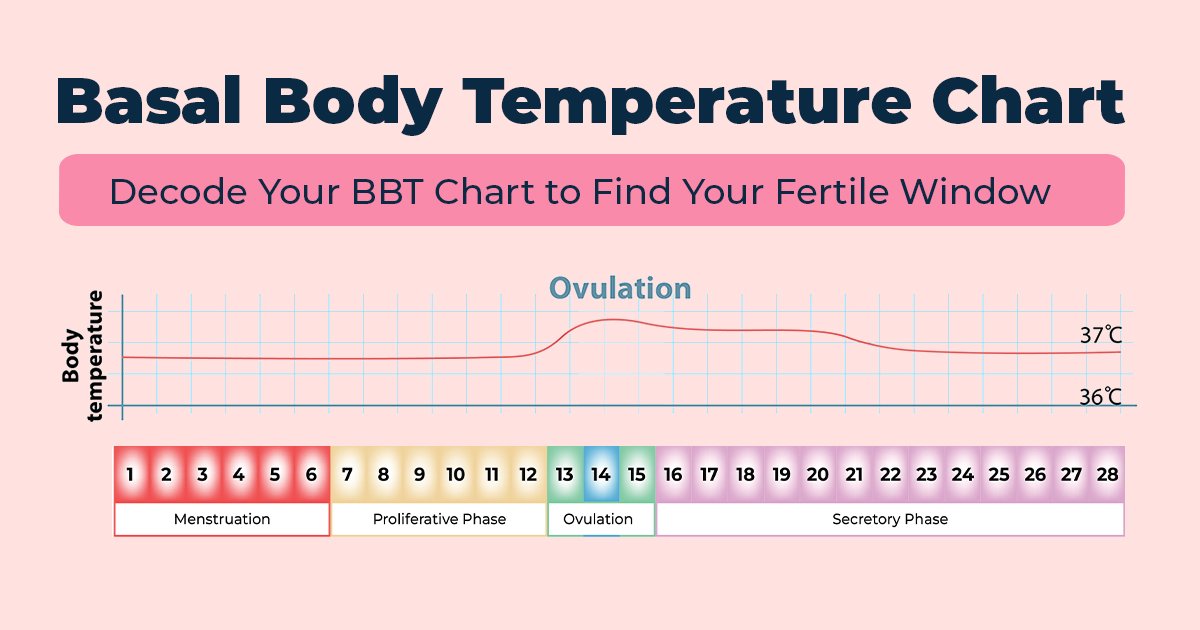
- Antral Follicle Count - a quick ultrasound that counts the small follicles in your ovaries, another clue about ovarian reserve.
- Thyroid panel - thyroid issues can mess with ovulation and cycles, and they’re often pretty easy to treat once caught.
None of these tests give you the full answer on their own. But together, they paint a much clearer picture - and that picture is what your doctor needs to actually help you.
Bottom Line
35 isn’t a deadline. It’s more like a nudge to pay a little closer attention and not put things off. The women who feel most in control through this process are usually the ones who understand what’s going on with their bodies and use that to make informed choices - not the ones who got “lucky.”
You don’t have to change everything tomorrow. Pick one thing - a supplement, a conversation with your doctor, learning more about your cycle - and start there.
Want to know where you stand?
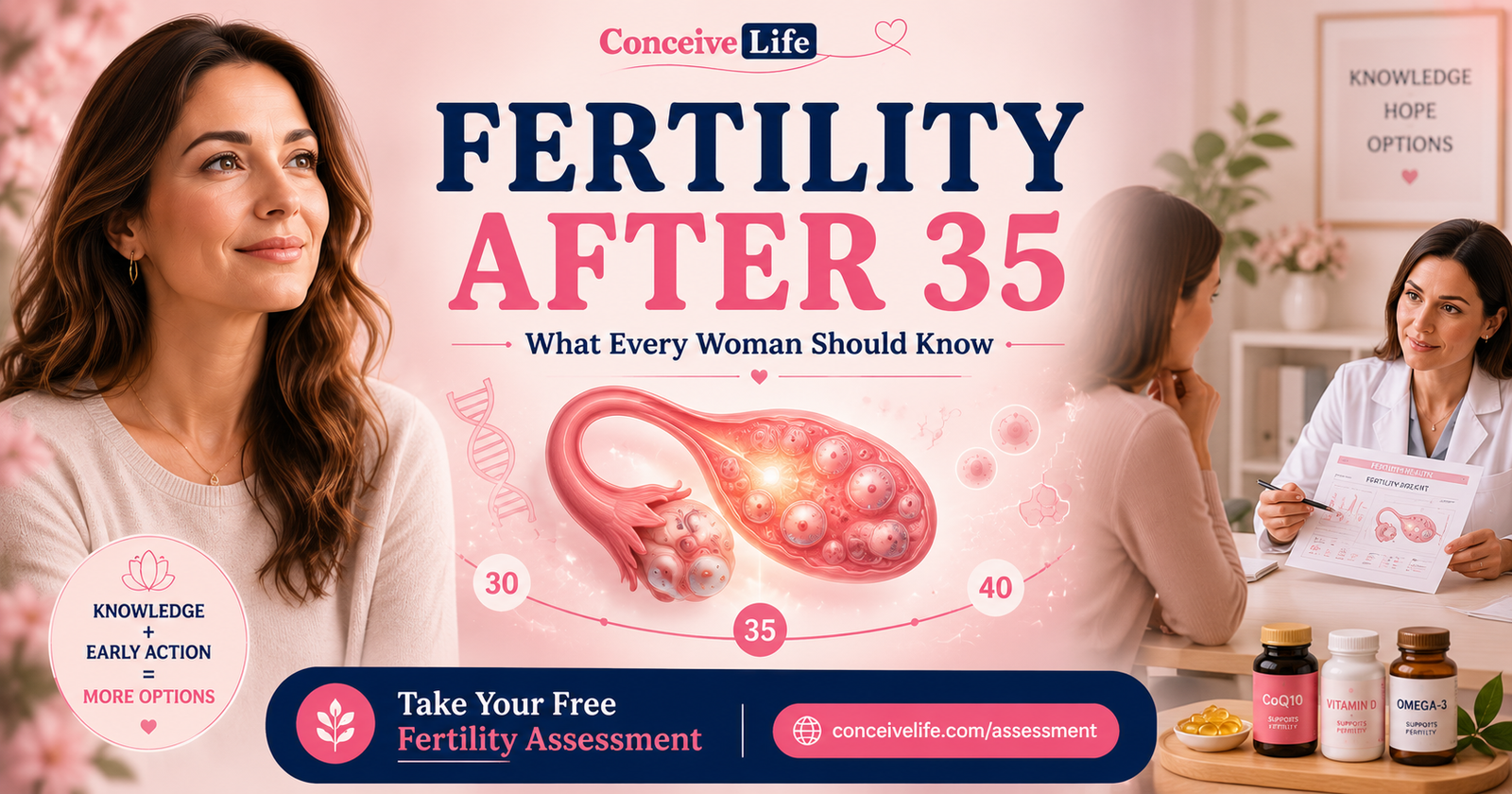
The Free Fertility Health Assessment from Conceive Life is free, takes about 10 minutes, and gives you personalized insights based on your age, cycle, and health history. No pressure, no commitment - just clarity.