Women spend years noticing discharge in their underwear without ever really understanding what it means. One week, it is barely there. The next one is stretchy and slippery. Then it disappears again. You assume something is off, but nothing ever is.
Cervical mucus changes throughout your cycle. Your body produces it, shifts it, and sometimes stops it entirely. Once you understand the pattern, your whole cycle starts to feel less mysterious and a lot more readable.
What Is Cervical Mucus and Why Does It Keep Changing?
Your cervix sits at the lower end of your uterus, connecting it to the vagina. It has small glands that produce fluid continuously throughout your menstrual cycle. That fluid is cervical mucus, and it exits through the vagina as the discharge you see day to day.
What makes it interesting is this: it is not the same fluid all month. Two hormones, estrogen and progesterone, rise and fall at different points in your cycle. Cervical mucus responds directly to those shifts. When estrogen is high, the mucus becomes thin, clear, and stretchy. When progesterone takes over after ovulation, it thickens back up and acts as a barrier.
Your body is essentially switching the mucus from "sperm-friendly mode" to "sperm-blocking mode" and back again, every single cycle.
How Cervical Mucus Changes Throughout Your Cycle, Stage by Stage
During Your Period (Days 1 to 5)
Blood covers everything, so you will not notice any mucus. Nothing to track here. Your body is just resetting.
Right After Your Period: Dry Days (Days 6 to 9)
Once bleeding stops, most people feel quite dry down there. Little to no discharge for a few days. If anything shows up, it is thick, pasty, and white.
This is your least fertile time. Your body is not producing much, and what little it does produce naturally blocks sperm. Generally safe days if you are tracking your cycle.
Sticky Then Creamy: Things Are Picking Up (Days 9 to 12)
Discharge starts to appear again now. First, it feels sticky, almost like paste or glue. A few days later, it gets thicker and smoother, closer to the texture of lotion. Usually white or slightly cloudy.
Your body is getting ready to release an egg. You are not at peak fertility yet, but you are heading there. Sperm can live inside the body for a few days, so these days carry some risk if you are trying to avoid pregnancy.
Egg White Discharge: Your Most Fertile Days (Days 12 to 16)
This is the stage that matters most. Your discharge is clear, slippery, and stretchy, just like raw egg whites. Pull it between two fingers, and it stretches without snapping. You might even notice your underwear feels wetter than usual.
This is called EWCM, short for egg white cervical mucus. It is your body's way of saying ovulation is happening right now or is about to. If you are trying to get pregnant, this is your window. It lasts about three to four days.
After Ovulation: Drying Back Down (Days 16 to 28)
Once the egg is released, the discharge thickens quickly and becomes cloudy again. Then it gradually disappears. The week or two before your next period, many people feel quite dry.
Your fertile window is closed. The thick discharge is now blocking sperm from getting through.
One thing worth knowing: if your period does not come and you are pregnant, you might notice a heavier, creamy white discharge called leukorrhea. This is completely normal in early pregnancy and often shows up before a positive test.
How to Check Your Cervical Mucus
No equipment needed. Here is the simplest method:
-
Wash your hands before and after, every time.
-
Collect a sample by wiping with clean toilet paper or inserting a clean finger toward the cervix.
-
Rub it between your thumb and index finger and notice how it feels and whether it stretches.
-
Stretches without breaking? That is EWCM, your fertile sign.
-
Breaks quickly, feels tacky? That is sticky or creamy mucus, pre-fertile phase.
-
Barely anything there? You are likely in a dry phase.
-
Check at the same time each day. Avoid checking right after sex, exercise, or using lubricants, as these distort the result.
-
Write it down daily. It takes at least one full cycle for a clear pattern to emerge.
-
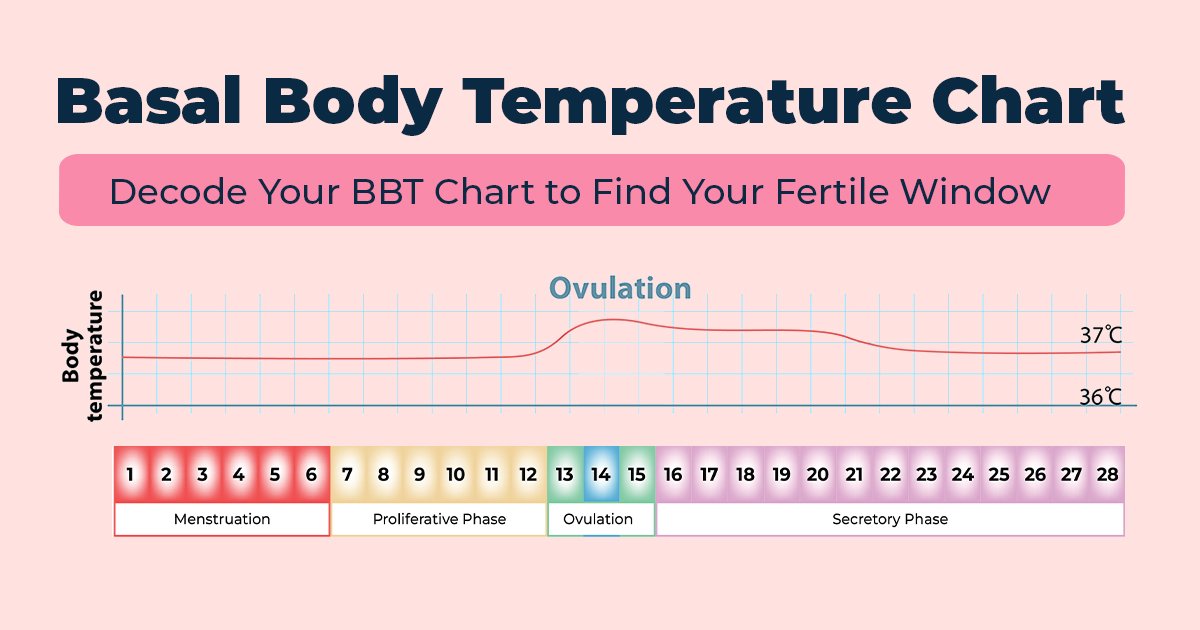
Pair it with basal body temperature (BBT). This combined approach, called the symptothermal method, is significantly more accurate than mucus tracking alone.
Things That Can Change Your Mucus Pattern
Hormonal birth control is the biggest one. Pills, hormonal IUDs, and implants are specifically designed to keep the mucus thick and unfavorable to sperm. You will not see the egg white phase while on hormonal contraception, and that is how it works.
-
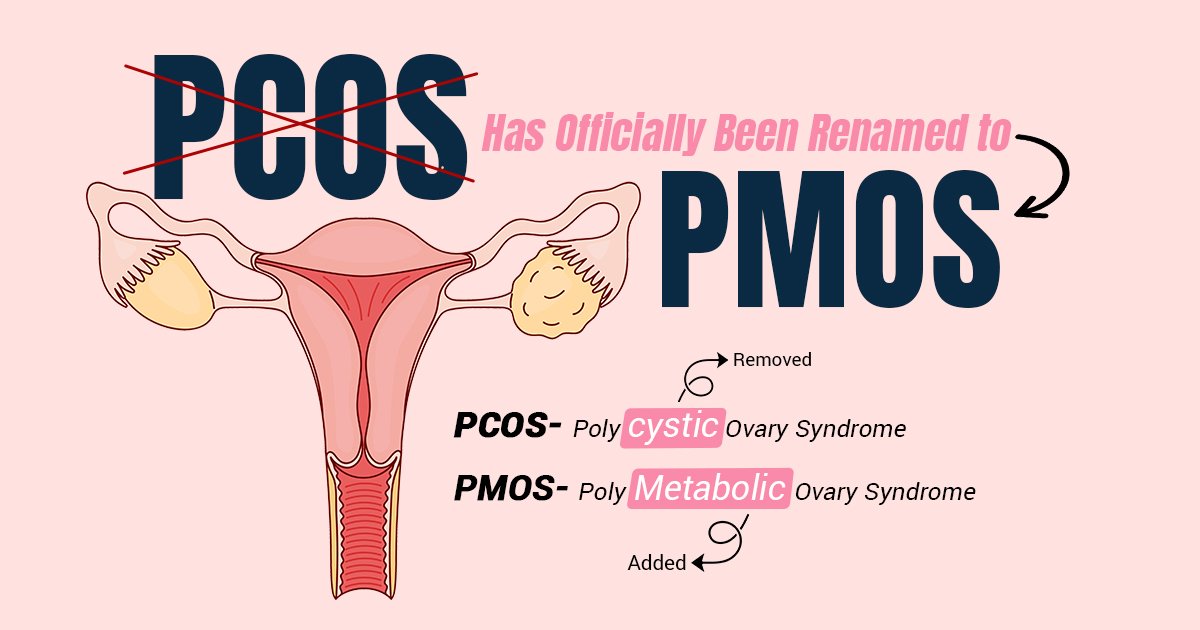
PCOS and thyroid disorders can disrupt the hormonal rhythm that drives changes in cervical mucus. People with PCOS often experience irregular or delayed ovulation, which means the mucus pattern shifts unpredictably, too.
-
Stress and illness can delay ovulation by days or even weeks, pushing back the timing of when you see fertile mucus. If your cycle runs late during a stressful month, your mucus timeline will shift accordingly.
-
Certain medications, including antihistamines and some antidepressants, can suppress mucus production and temporarily reduce or eliminate the egg white phase.
-
Infections change the color, smell, and texture of discharge. Bacterial vaginosis, yeast infections, and STIs all produce discharge that can be confused with cervical mucus changes. Green, grey, or foul-smelling discharge is not normal mucus behavior. That is your body flagging a problem.
Why Paying Attention to This Actually Matters
Understanding how cervical mucus changes throughout your cycle gives you real, hormone-level information about your body, for free, every month.
People trying to conceive can time intercourse more accurately by watching for EWCM. Research published in Human Reproduction found that women who identified their peak mucus days had significantly higher conception rates than those timing by calendar alone.
People trying to avoid pregnancy can use the cervical mucus method as part of a broader fertility awareness approach. However, it works best when combined with BBT tracking and ideally guided by a trained instructor.
And for people who are not trying to conceive or avoid it, cervical mucus is simply useful data. If you suddenly stop seeing the egg white phase for several cycles, that could signal a hormonal imbalance worth investigating. If your discharge changes in smell or color unexpectedly, you have an early warning sign to act on.
Your body has been giving you this information every month. You just did not know how to read it.
Frequently Asked Questions
1.Q) What does healthy cervical mucus look like throughout the cycle?
Healthy mucus moves through a predictable pattern: dry or absent after your period, sticky and white as estrogen rises, clear and stretchy like egg whites around ovulation, then thick and cloudy again in the luteal phase. All of these are normal at their respective stages.
2.Q) What is egg white cervical mucus, and what does it mean?
Egg white cervical mucus (EWCM) is the clear, stretchy, slippery discharge that appears around ovulation when estrogen peaks. It signals your most fertile days. If you are trying to conceive, this is the time to have sex. It typically lasts three to four days per cycle.
3.Q) Can I get pregnant from the sticky or creamy phase?
Yes, it is possible. Sperm can survive inside the body for up to five days. If you have sex during the sticky phase and ovulate shortly after, pregnancy can occur. The risk increases the closer you get to the egg white stage.
4.Q) What if I never notice egg white cervical mucus?
Some people produce less of it, or the window is very short. It does not automatically mean something is wrong, but if you are trying to conceive and cannot identify a fertile mucus phase across multiple cycles, bring it up with a gynecologist. Conditions like PCOS or hormonal imbalance can suppress it.
5.Q) How does basal body temperature (BBT) relate to cervical mucus tracking?
BBT rises slightly after ovulation due to progesterone. By charting both your mucus and your temperature, you can confirm when ovulation happened. The symptothermal method combines both, making it one of the most reliable forms of natural family planning.